Kusadasi To Bodrum Transfer
120.00 €
Starting Price
Explore, Experience, Remember


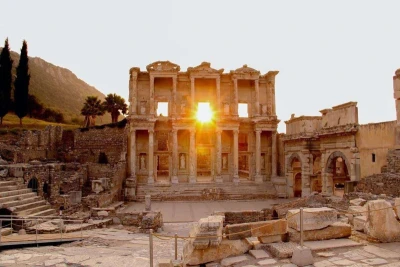
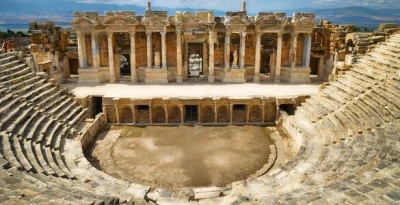
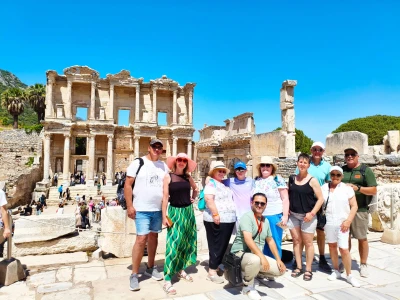
Short but very informative. We visited the Library of Celsus and the Great Theatre, and the guide made history come alive. Great for a half-day trip f...
Excellent tour! The pick-up from our hotel was on time and everything was organized. Perfect for those who want to explore Ephesus quickly but thoroug...
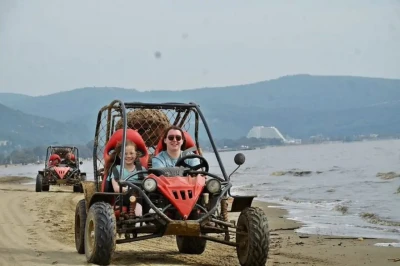
Fun and safe experience! Perfect for beginners and those looking for some adrenaline on vacation
Loved every minute! The views and off-road trails made it an unforgettable quad safari.
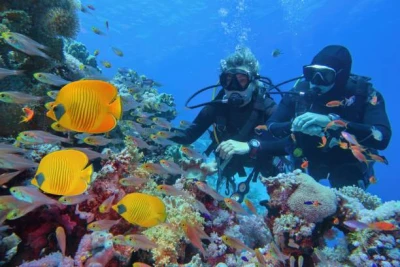
Professional guides, clear instructions, and amazing dive spots. A perfect half-day adventure for both beginners and licensed divers.
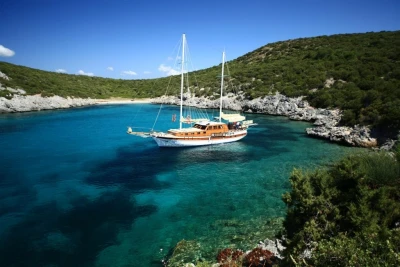
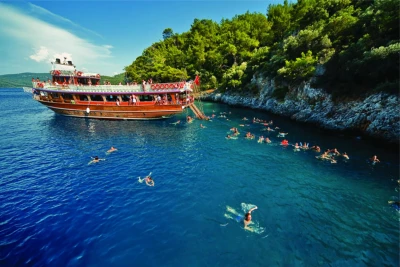
Beautiful boat trip with clear waters and stunning scenery. Great for relaxing and enjoying the coast of Kusadasi.
A wonderful day on the Aegean! Swimming, sunbathing, and exploring hidden bays made it perfect. Hotel pick-up was very convenient.
One of the best tours I’ve ever done! Everything was well-organized, and the landscapes were breathtaking. Loved swimming in the sea at the end.
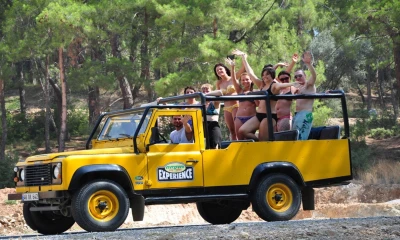
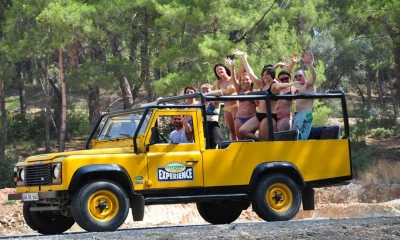
Amazing experience! The off-road trails and scenic stops made it so much fun. Perfect for nature lovers and adventure seekers.
Full-day adventure! The barbecue in the forest and swimming in the cave were highlights. The guides were friendly and professional.
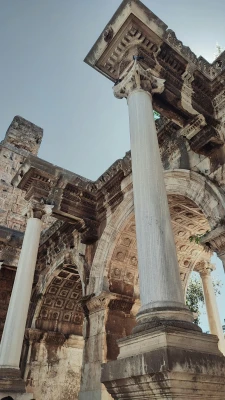
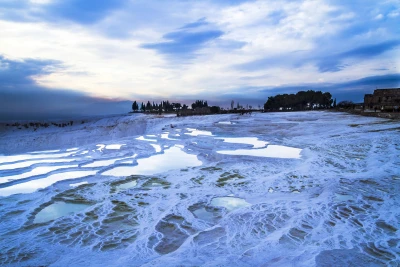
Beautiful landscapes and a smooth trip from Kusadasi. Visiting the travertines and the Antique Pool was unforgettable.
A perfect day trip! The guide gave great historical insights, and we loved swimming in the thermal waters. Highly recommend!
A Quick Journey Through the History of Kusadasi – Where the Aegean Meets Time
If you think Kuşadası is just about beaches and cruise ships, think again. Beneath its sunny, laid-back vibe lies a surprisingly rich and colorful past that stretches back thousands of years.
Let’s take a quick (and not boring) trip through time.
Kusadasi has always been about location. Sitting right on the Aegean coast, it naturally became a hotspot for trade and travel. Ancient sailors, merchants, and explorers passed through these shores long before tourism was even a concept.
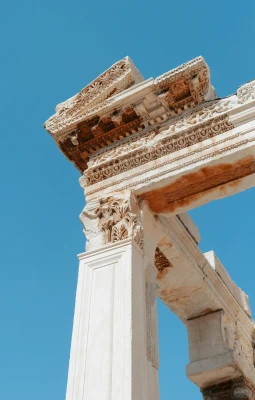
Nearby, you’ll find the legendary ancient city of Ephesus—one of the most important cities of the ancient world. While Ephesus was the star, Kusadasi played a key supporting role as a coastal gateway.
Over time, the region saw a parade of civilizations: Ionians, Romans, Byzantines… you name it. Each left a mark.
But things got especially interesting during the medieval period. Kusadasi became a strategic port under the control of various powers, including the Venetians and Genoese. Trade was booming, and so was the need for protection.
That’s where the iconic Pigeon Island comes in. The fortress you see today was expanded during the Ottoman era to defend against pirates (yes, actual pirates). It’s now one of the most photographed spots in town.
When the Ottoman Empire took control, Kusadasi really started to flourish. Caravanserais, mosques, and trade centers were built, turning the town into a lively commercial hub.
One standout is the Okuz Mehmed Pasha Caravanserai—a massive stone structure that once hosted traveling merchants and is still standing today. It’s basically a 17th-century version of a hotel (but way cooler).
Fast forward to modern times, and Kusadasi has reinvented itself. Instead of merchants and caravans, you now have cruise ships, beach lovers, and travelers from all over the world.
Its proximity to Ephesus still plays a huge role, making it a major stop for cultural tourism. But at the same time, it offers something for everyone—history, nightlife, beaches, and great food.
What makes Kusadasi special isn’t just its history—it’s how effortlessly that history blends into everyday life. You can walk through ancient ruins in the morning, swim in the Aegean in the afternoon, and have dinner by the marina at night.
Not many places can offer that kind of time travel in a single day.
So next time you’re in Kusadasi, remember: you’re not just on holiday—you’re walking through centuries of stories.